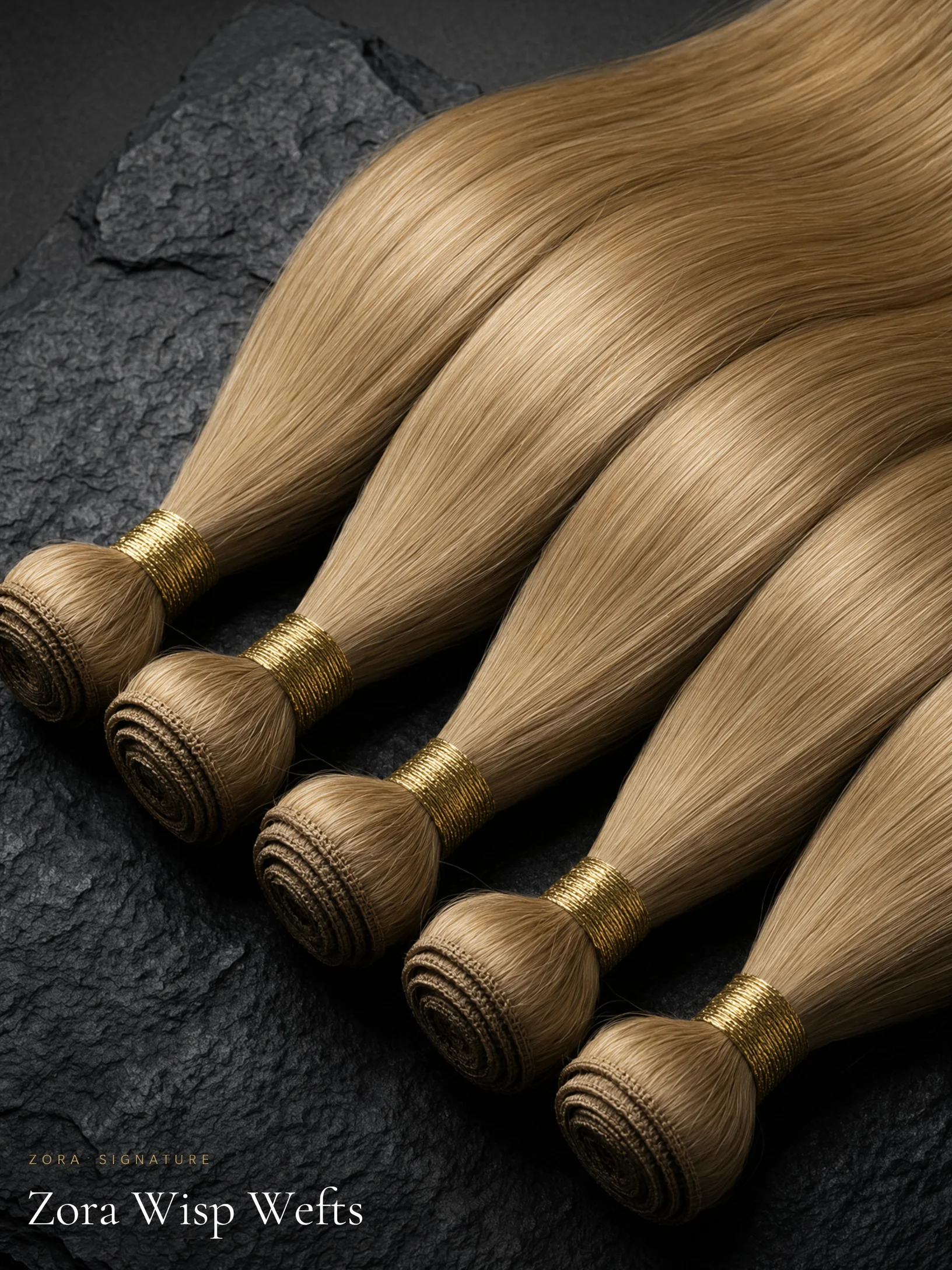
Hair Extensions
What Is a Flat Weft? A Professional Construction Guide
Understand the header, hair quantity and installation considerations behind a professional weft service.
Zora Hair Education Team
June 3, 2026 · 3 min read

Professional Resources · Published Every Wednesday & Saturday
Expert guides on hair extensions, hair loss integration, and salon business strategy — written for licensed cosmetologists.
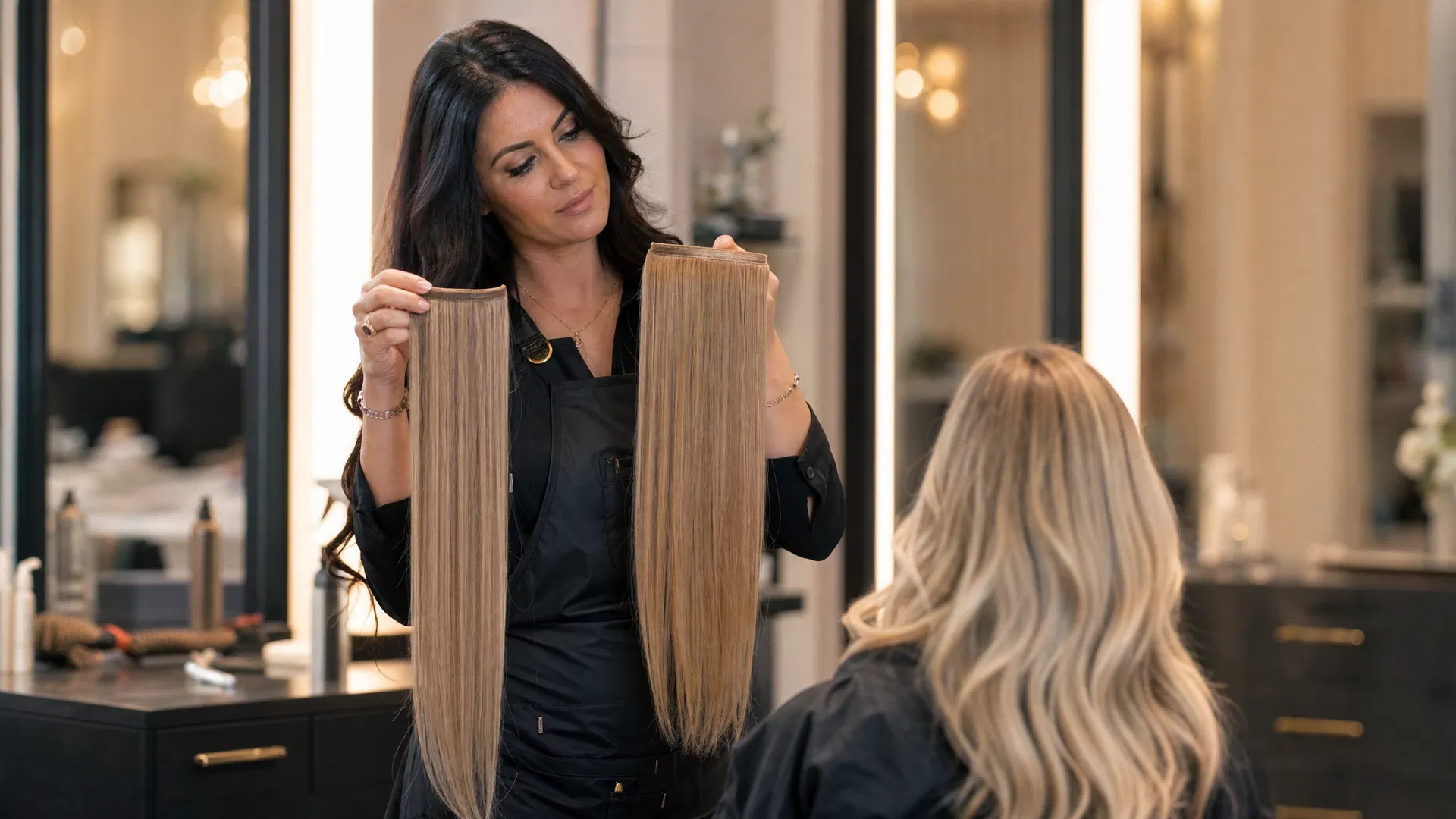
Build a Wisp service plan around your client: assess support hair, choose shade and length, and plan maintenance.
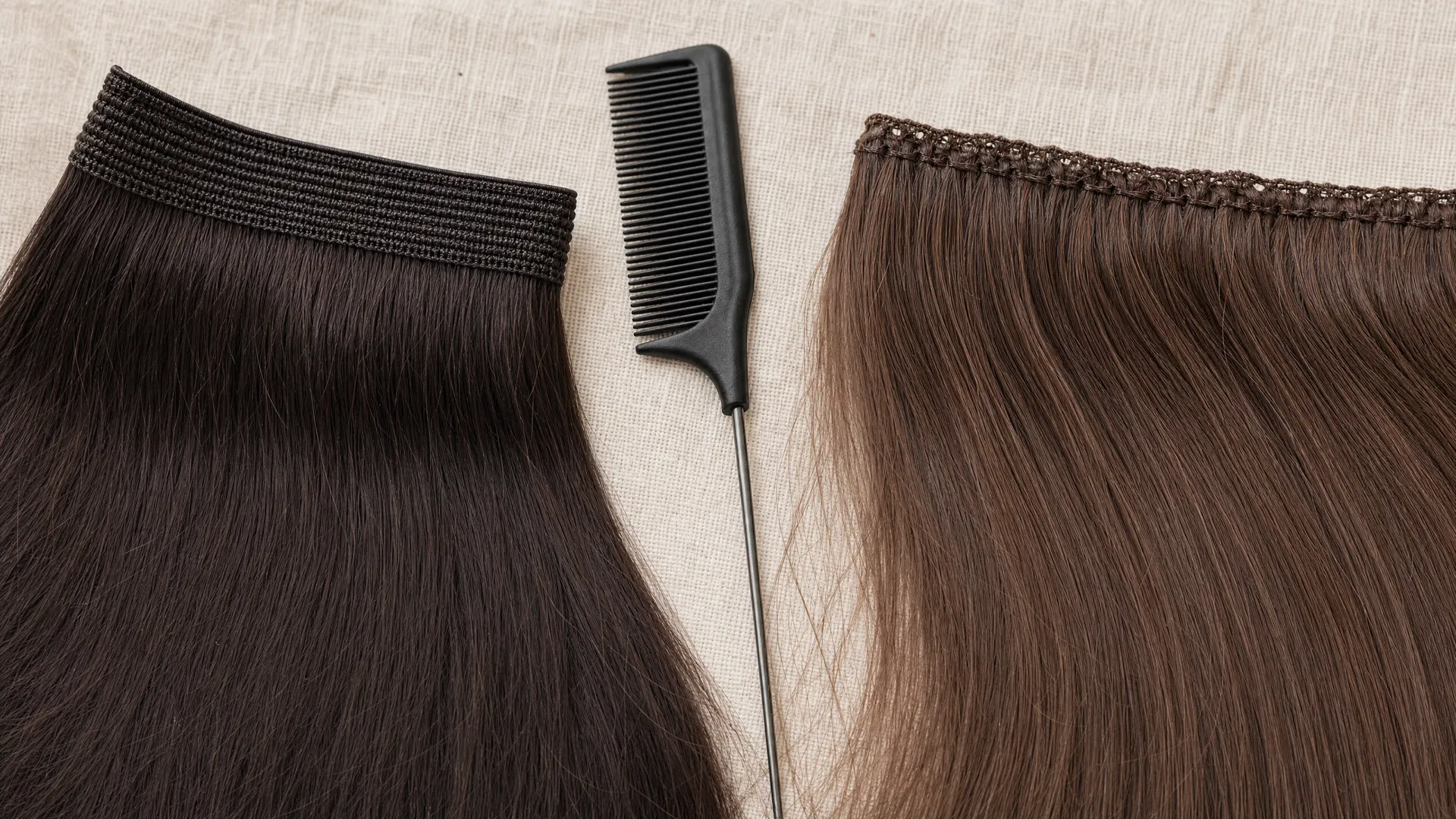
Compare the actual header, instructions and pack contents. Product-specific evidence is more useful than universal rules about flat or hand-tied labels.
Connect your Wisp product inquiry to a clear client plan, current availability and the applicable purchasing policies.
The master decision guide connecting Wisp Weft, keratin bonds, toppers, beaded toppers, meshless integration, mesh integration, and when not to use extensions.
Define hair loss integration, understand who it serves, and learn the difference between toppers, integrations, and wigs — including beaded topper, meshless, and mesh methods.
Client candidacy, density needs, scalp visibility, maintenance, comfort, service time, and when to choose meshless vs. mesh integration.
What the beaded topper method is, client fit, tension considerations, maintenance, consultation requirements, and why training matters.
When extensions work, when toppers are better, when integration is needed, and when wigs may be the better future solution.
Training, consultation, pricing, client acquisition, privacy, maintenance, product selection, emotional language, and retention for a hair loss integration specialty.
A professional Wisp consultation begins with the client: assess density, plan placement and build an individual maintenance routine.
Strand-by-strand vs row-based installs, movement, density needs, maintenance, removal, fine hair concerns, and client fit.
Candidate selection, section size, density, tension, maintenance, when keratin bonds are not appropriate, and when toppers or integration are better.
Base size, density, part line coverage, clips vs professional attachment, color matching, realism, and when a topper is better than extensions.
Different alopecia patterns, topper candidacy, coverage needs, styling, comfort, professional consultation, and when wigs may be better.
What meshless integration is, who it helps, how it differs from toppers and mesh integration, maintenance, and training requirements.
Who should attend, what students learn, beaded topper method, meshless integration, mesh integration, kit contents, skill level, and outcomes.
Hair quality, product consistency, professional access, education, shipping, shade range, support, and supplier reliability — what to look for in a professional hair extension supplier.
When toppers are better, when wigs are better, hair loss stage, coverage needs, lifestyle, comfort, maintenance, and professional coverage consultation.
Postpartum shedding, when it usually happens, when to consult a doctor, topper options, temporary vs long-term solutions, and professional consultation.
Hair extensions after hair loss may be appropriate when shedding has stabilized, the scalp is healthy, and there is enough anchor hair to support added hair.
A professional guide for licensed stylists choosing between Zora Wisp Weft, keratin bonds, hair toppers, beaded topper method, meshless integration, mesh integration, and full-coverage options.
A professional checklist for licensed stylists evaluating hair enhancement clients, including goals, density, scalp, anchor hair, coverage needs, method fit, maintenance, privacy, and referral boundaries.

The best hair topper for a woman in 2026 is the one that matches her specific coverage need, hair type, and lifestyle — not the one with the most five-star reviews. This guide explains what separates a premium topper from a generic one, how to choose coverage size, and why construction quality determines how long your investment lasts.
Hair enhancement maintenance depends on the method. Zora Wisp Weft, keratin bonds, hair toppers, beaded topper method, meshless integration, mesh integration, and wigs all require different care routines. The goal is the same: protect the client's natural hair, reduce tension, prevent tangling, keep the scalp healthy, and return for maintenance on schedule.
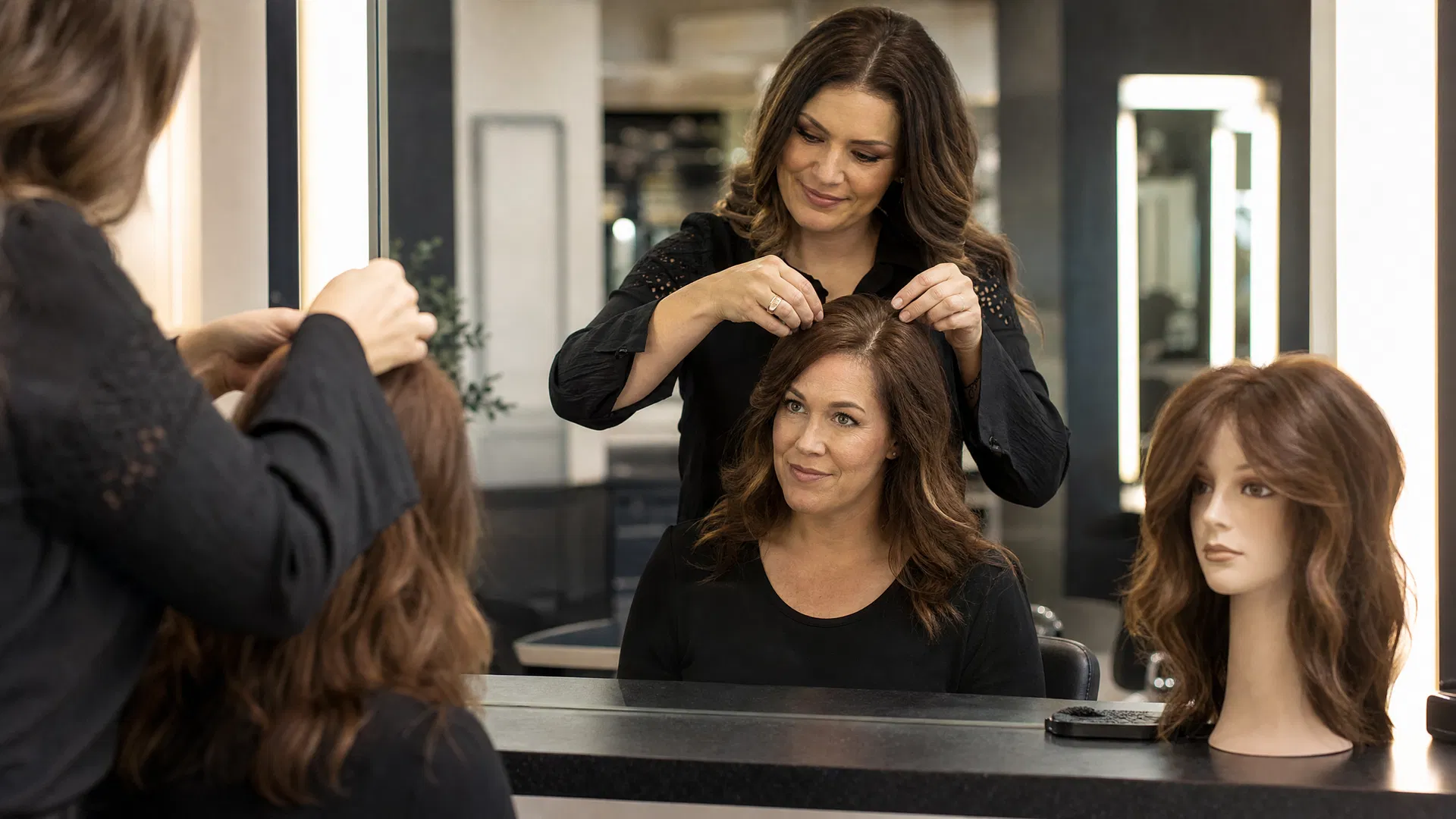
The most honest answer to 'should I get a hair topper or a wig for hair loss' depends on how much natural hair you still have, where you are losing it, and how you want to wear your hair going forward. This expert guide walks through the real differences so you can make the right decision for your specific situation.
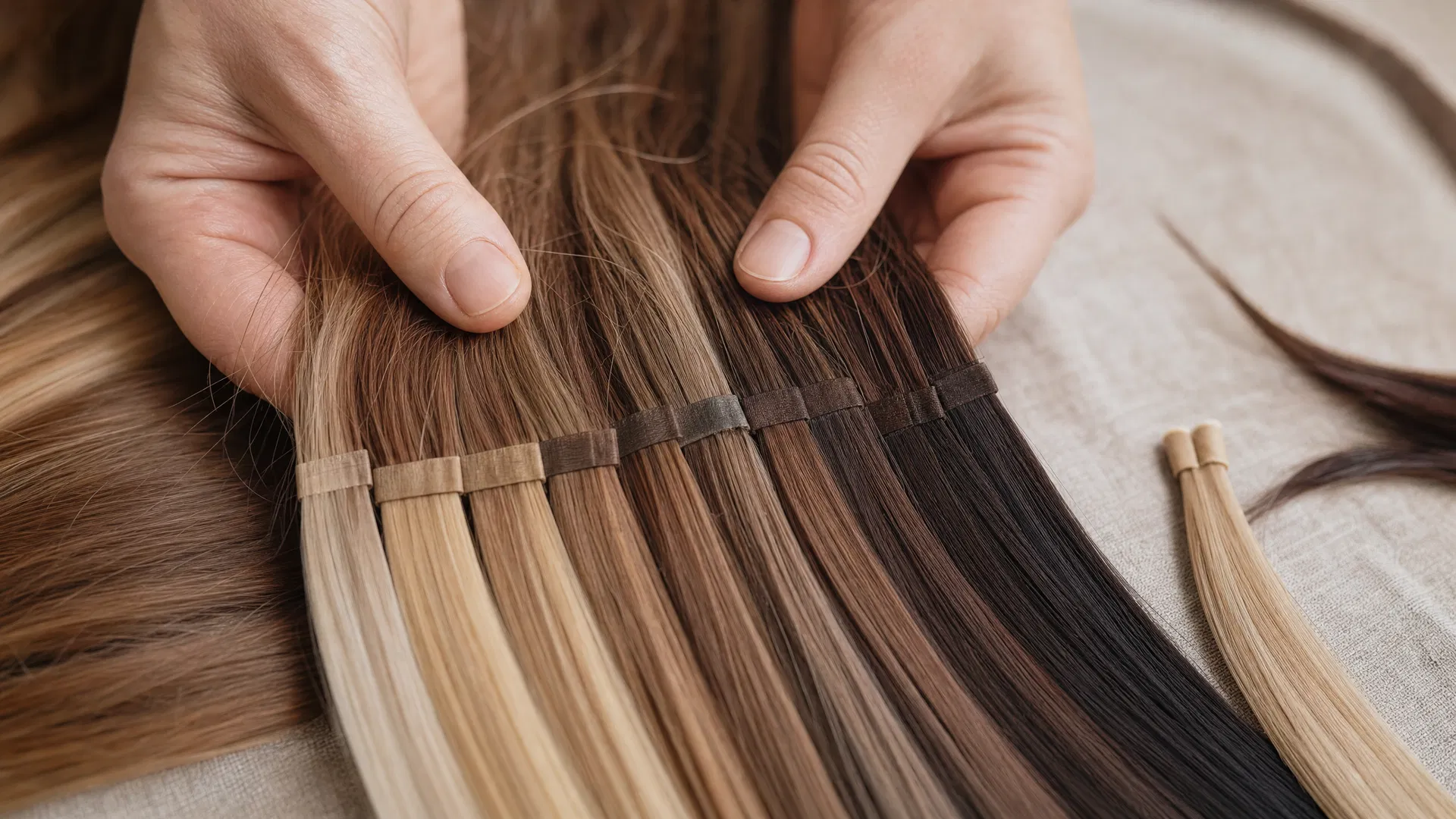
Color matching is the single most important technical skill in hair extension work. This expert guide covers how to match hair extension color step by step — from reading the client's natural hair in natural light to navigating shade systems, testing undertones, and making final adjustments at the chair.
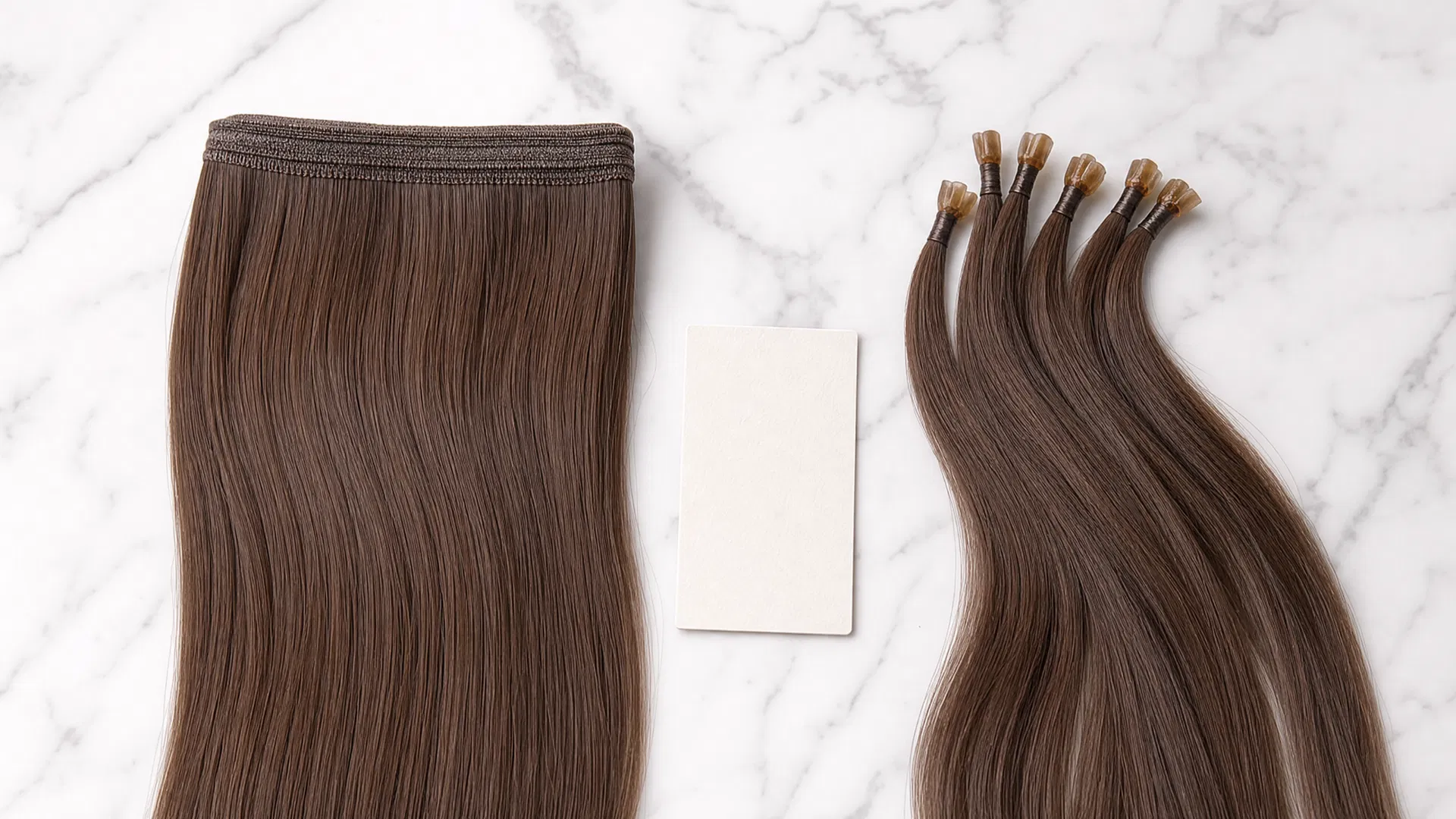
Plan extension maintenance around the product, attachment method and individual client, with clear expectations for care and review.

Questions to confirm with Zora and your stylist about washing, brushing, heat, color, maintenance and reuse for your exact product.
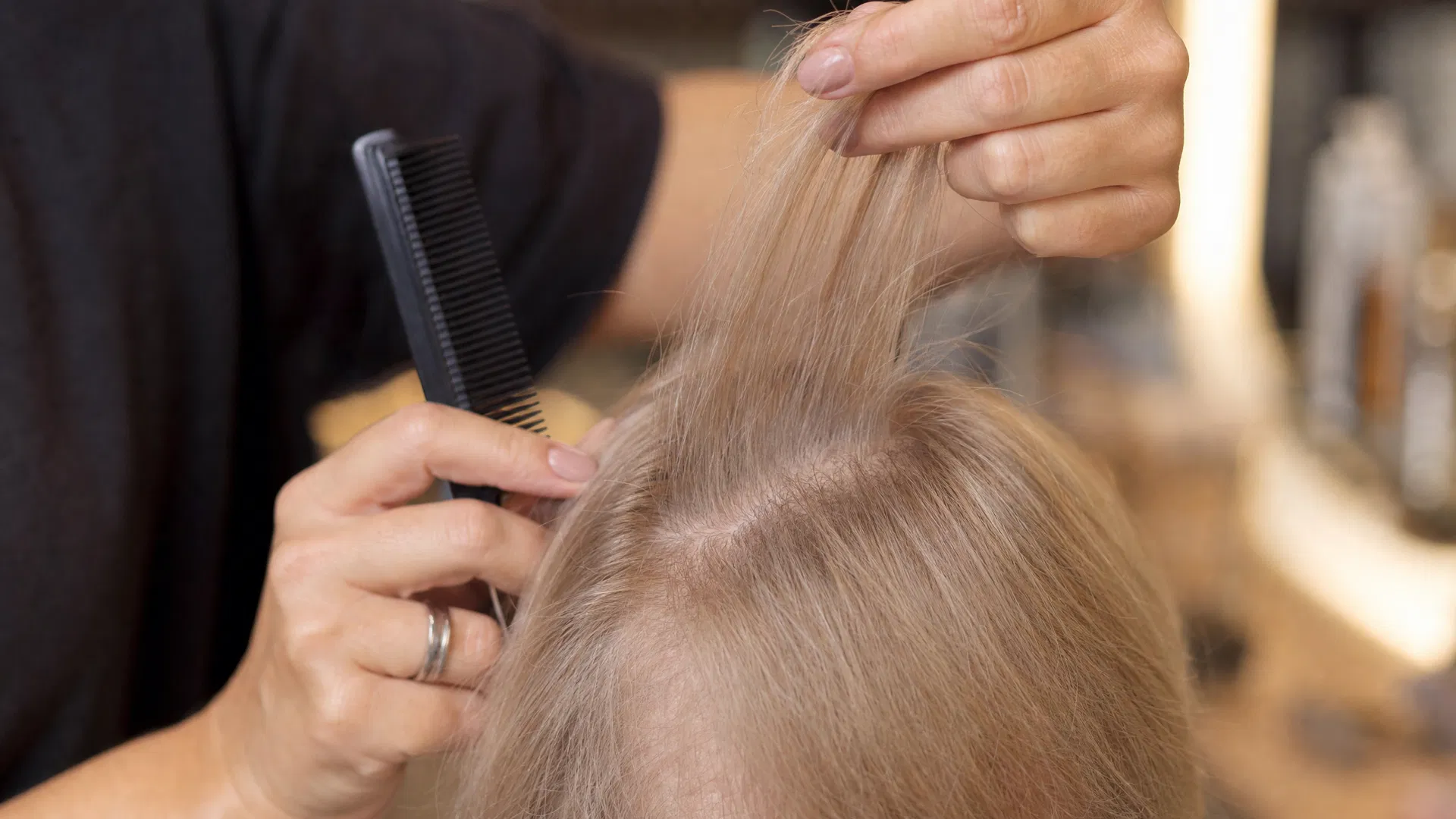
Hair extensions may suit some fine-hair clients after individual assessment — but the method, hair quality, and stylist training matter more for fine-hair clients than for any other hair type. This guide addresses the safety question directly and explains what to look for in a fine-hair extension consultation.
A well-built extension menu makes the consultation easier, the pricing conversation cleaner, and the client's path from inquiry to booking shorter. This guide covers method selection, three-tier structure, service naming, pricing ranges, and how to grow the menu over time.
Pricing hair extension services requires a clear framework: cost of goods, labor, overhead, markup, and a tiered service menu. This guide walks through every component so you can set prices that are sustainable, competitive, and easy to communicate to clients.
Read sourcing descriptions alongside the product, processing, care guidance and the needs of the individual client.
Hair loss integration is a professional service category designed for clients with thinning hair or alopecia. This guide explains the three primary methods — beaded topper, meshless, and mesh integration — and why stylists are adding this skill to their practice.
The consultation is the most important appointment in a hair loss integration practice. This guide walks through the complete process — pre-appointment intake, physical assessment, method selection, expectation setting, and closing the appointment.
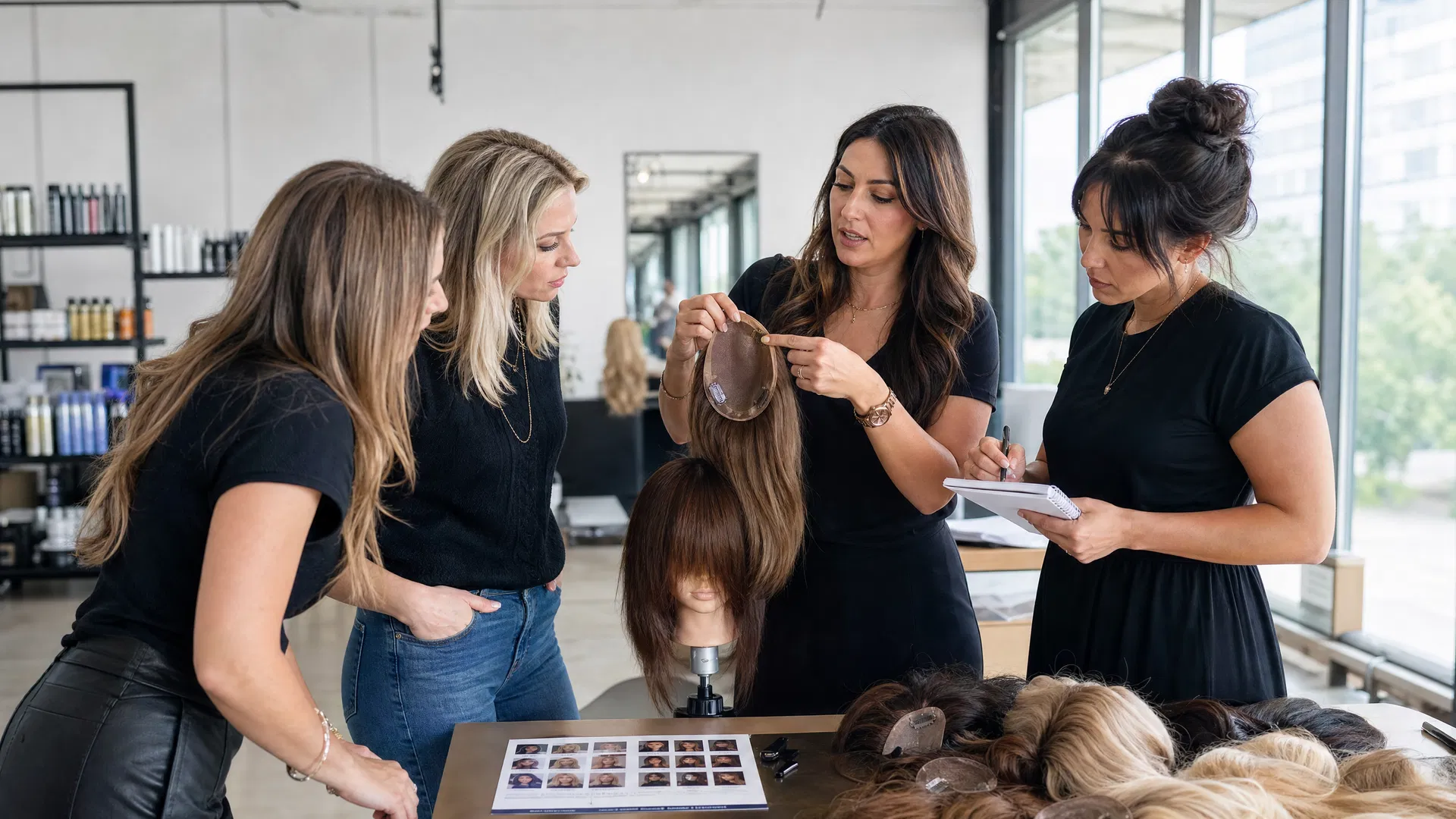
Everything licensed cosmetologists need to know before enrolling in a professional hair topper certification class — curriculum, format, what to look for, and the business case.
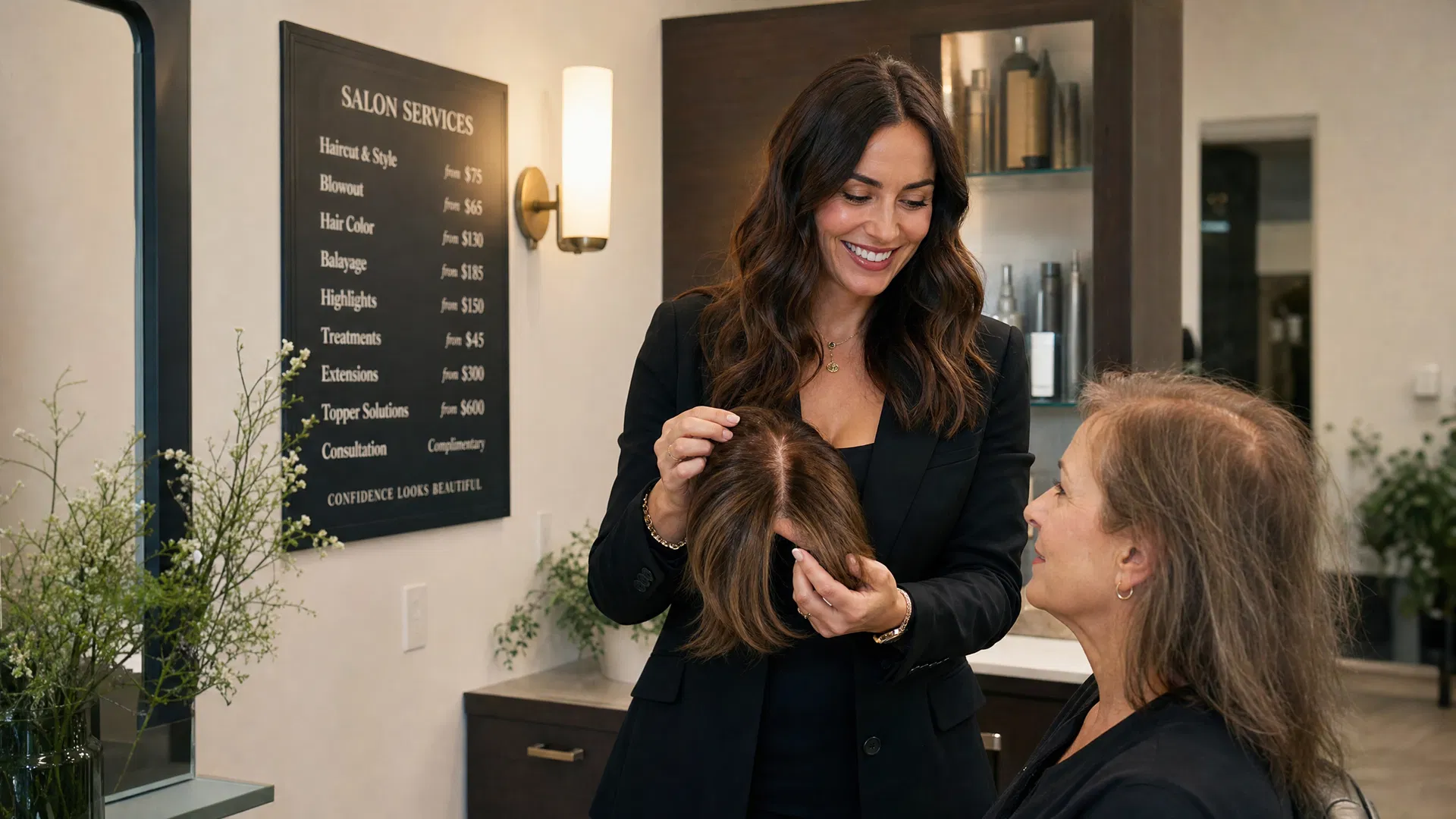
Hair loss integration is the fastest-growing specialty in the salon industry. Here is what it is, why stylists are adding it, and how to get started.
Seven criteria that matter most when evaluating a professional hair extension supplier — and the questions to ask before committing to a wholesale relationship.