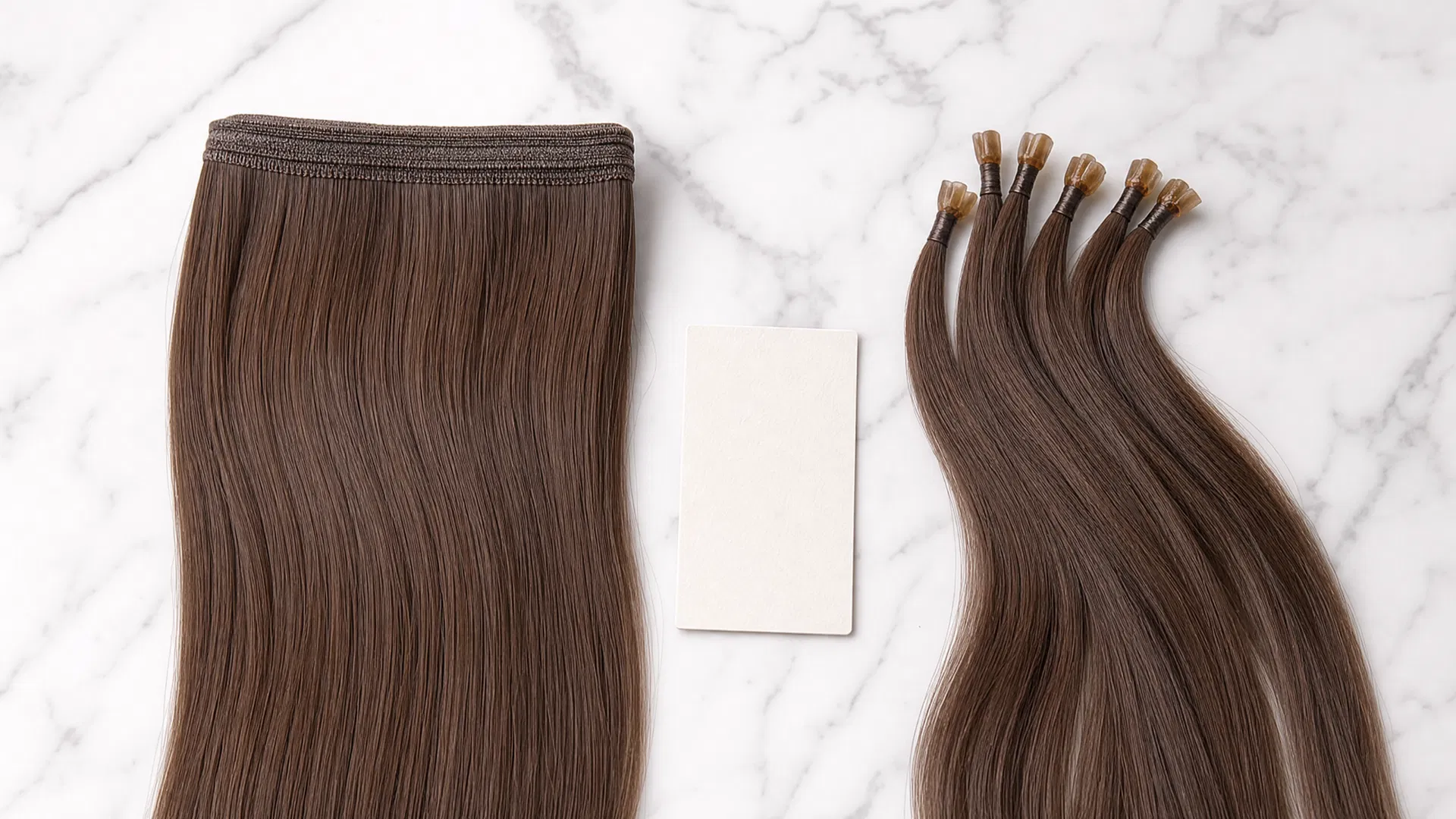
How Long Do Hair Extensions Last? Wefts vs. Keratin Bonds Explained
Weft extensions last 12–18 months with move-up appointments every 8–12 weeks. Keratin bond extensions last 4–6 months with no move-ups — only a midway check-in. This expert guide covers the real-world longevity of each method, what affects how long extensions last, and how to maximize your investment.
The single most common question clients ask before their first extension appointment is: how long do hair extensions last? The honest answer depends on the method. Keratin bond extensions and weft extensions have meaningfully different service lives, different maintenance schedules, and different factors that determine whether they reach the high end or the low end of their expected range. This guide covers what you actually need to know — drawn from over 20 years of professional extension experience — so you can plan your investment and your calendar accordingly.
Understanding longevity before you commit to a method is not just about cost. It is about lifestyle fit. A client who travels frequently, swims competitively, or returns to the salon every six weeks for color has different maintenance needs than a client who wants to set her extensions and come back in three months. The right method is the one that fits your life, not just the one with the longest service life on paper.
How Long Do Weft Extensions Last?
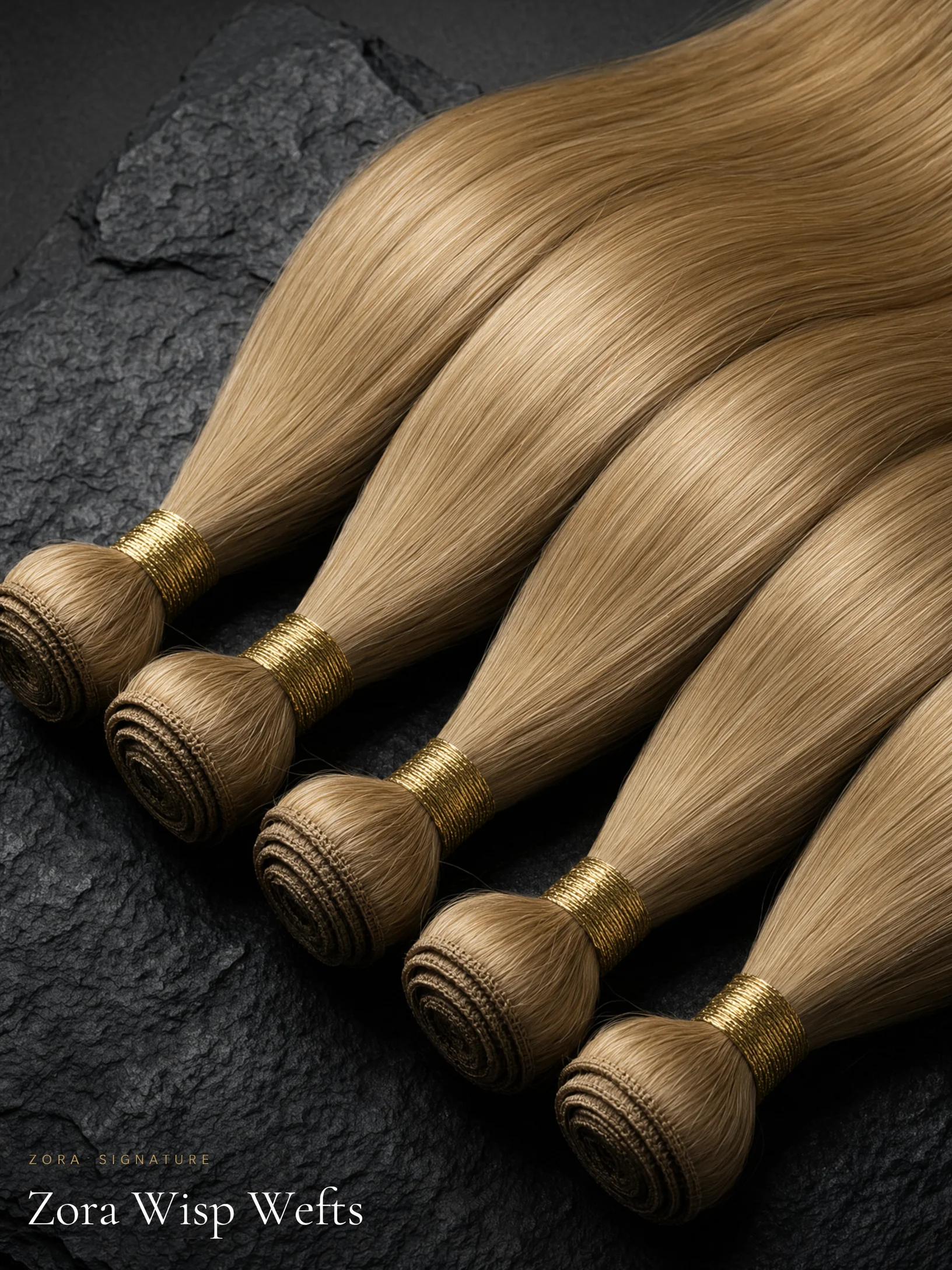
Weft extensions — including Genius Wefts applied with an invisible beaded row, classic beaded row, or express beaded row — have a total wear time of 12 to 18 months. This is the longest service life of any professional extension method, and it is one of the primary reasons wefts are the most popular method among clients who want a long-term extension solution.
The 12–18 month range reflects the realistic variation between clients. A client with healthy, strong natural hair who follows the home care protocol closely and returns for move-ups on schedule will typically reach the 18-month end of the range. A client with finer or more fragile natural hair, or one who is harder on her hair (frequent heat styling, swimming, or color services), will typically fall closer to the 12-month end.
Weft Extension Maintenance Schedule
The maintenance schedule for weft extensions depends on which beaded row technique is used for the installation:
| Technique | Move-Up Interval | Best For |
|---|---|---|
| Invisible Beaded Row | 8–12 weeks | Clients who wear top knots or updos frequently |
| Classic Beaded Row | 8–12 weeks | Most clients; the standard technique |
| Express Beaded Row | 6–8 weeks | Clients who return frequently for color or toner |
A move-up appointment is not a reinstallation. The stylist removes the beads, slides the weft rows up to account for natural hair growth, and reattaches them. The hair itself is not replaced at each move-up — only the attachment is adjusted. This is why wefts can achieve a 12–18 month total wear time across multiple move-up cycles.
Missing or significantly delaying move-up appointments is the most common reason weft extensions fall short of their expected service life. When natural hair grows out past the attachment point without a move-up, the row can slip, create tension, or become visible. Staying on schedule is the single most important factor in maximizing the longevity of a weft set.
How Long Do Keratin Bond Extensions Last?
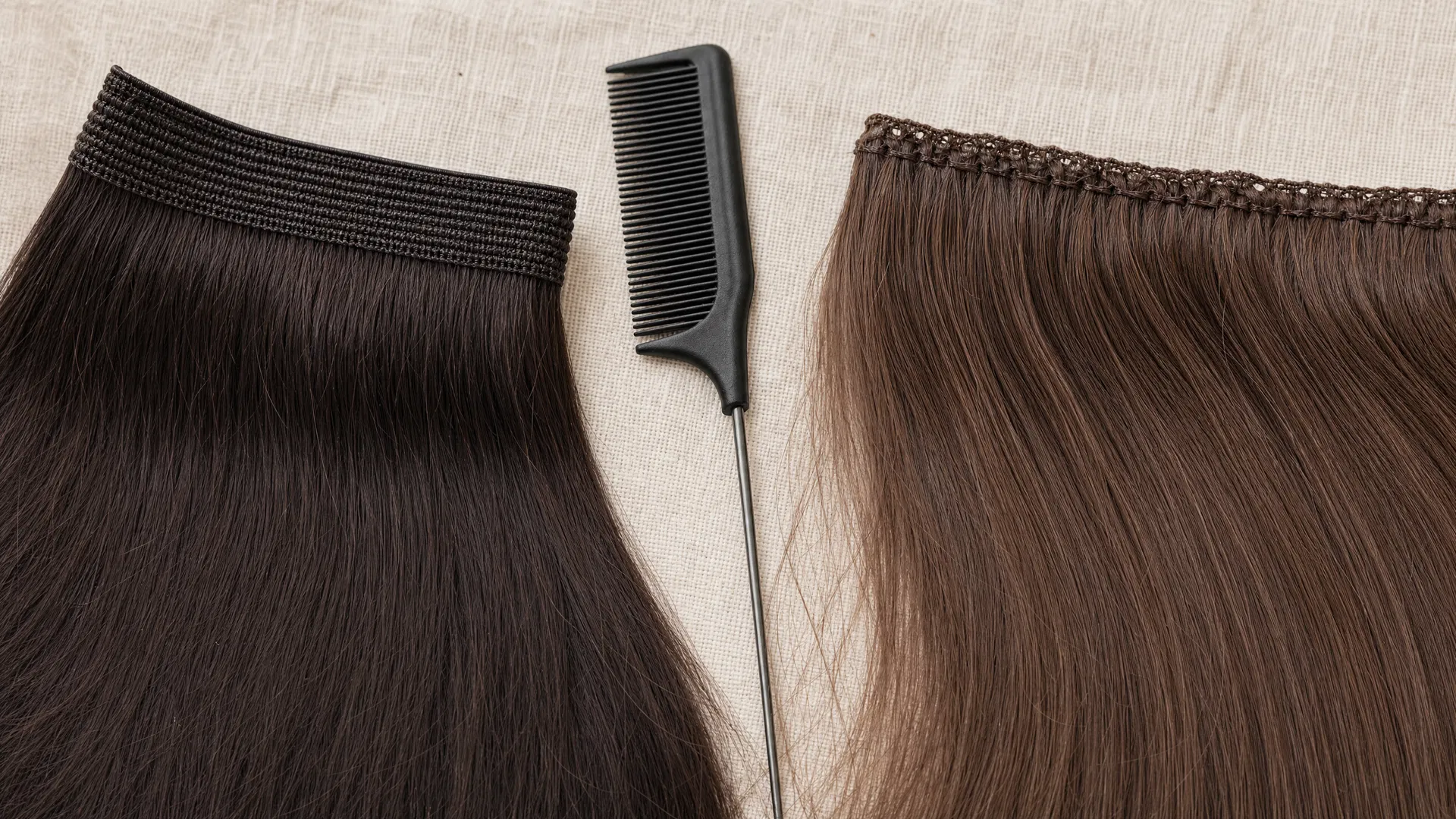
Keratin bond extensions — also called fusion extensions or K-tip extensions — last up to 4 months before needing to be replaced, and are typically removed at the 4 to 6 month mark. Unlike weft extensions, keratin bonds do not have a move-up appointment. The bonds are removed entirely, and a new set is installed if the client wants to continue wearing extensions.
The absence of a move-up appointment is a meaningful lifestyle advantage for some clients. If you prefer a lower-touch maintenance schedule and are comfortable returning to the salon every four to six months for a full reinstallation, keratin bonds may be a better fit than wefts — even though the total service life per set is shorter.
The Midway Check-In
While keratin bonds do not require move-up appointments, most extension specialists recommend a midway check-in at the two-month mark. This appointment is not a reinstallation — it is a brief assessment to check bond integrity, identify any bonds that may have slipped or loosened, and address any concerns before they become larger issues. Think of it as a quality control step that protects your investment.
Understanding Shedding During Removal
One of the most common concerns clients raise at their keratin bond removal appointment is the amount of hair that comes out during the process. It can look alarming. The explanation is straightforward: we naturally shed approximately 100 hairs per day. When you wear keratin bond extensions, those shed hairs are held in place by the bond rather than falling out naturally. When the bonds are removed and the hair is combed through, those accumulated shed hairs are released all at once. This is completely normal and does not indicate damage. A trained specialist will explain this before your removal appointment so you are prepared.
Comparing Extension Methods: Longevity at a Glance
| Method | Total Service Life | Maintenance Interval | Appointment Type |
|---|---|---|---|
| Zora Wisp Weft (Invisible Beaded Row) | 12–18 months | 8–12 weeks | Move-up (no replacement) |
| Zora Wisp Weft (Classic Beaded Row) | 12–18 months | 8–12 weeks | Move-up (no replacement) |
| Zora Wisp Weft (Express Beaded Row) | 12–18 months | 6–8 weeks | Move-up (no replacement) |
| Zora Keratin Bonds | 4–6 months per set | Midway check-in only | Full reinstallation |
What Affects How Long Extensions Last?
The method and the hair quality set the ceiling for longevity. What happens between appointments determines whether you reach that ceiling. These are the factors that most consistently affect how long extensions last in practice:
Home Care Compliance
Extensions require a specific home care routine. Using the wrong shampoo — particularly sulfate-based formulas — accelerates bond degradation and weft slippage. Brushing from the root down rather than from the ends up creates unnecessary tension at the attachment point. Sleeping without securing the hair creates friction that shortens the life of both bonds and wefts. Clients who follow the home care protocol their stylist provides consistently reach the high end of the longevity range. Clients who do not tend to fall short of it.
Hair Quality
The quality of the extension hair itself matters as much as the installation. 100% Remy human hair — in which the cuticle layer is intact and all strands run in the same direction — lasts significantly longer than non-Remy or synthetic hair. Remy hair resists tangling, holds color better, and withstands heat styling without the degradation that causes non-Remy hair to mat and break down. For a method that is expected to last 12–18 months, the difference in hair quality is the difference between reaching that range and replacing the hair at month six.
European Remy hair, in particular, has a finer strand diameter that more closely matches the natural hair texture of most clients with fine to medium hair. This finer cuticle structure means the hair behaves more like natural hair through the entire service life — it does not become coarse or dull at the ends the way coarser hair types can. The Zora Hair Signature Collection uses 100% Remy human hair across all weft and keratin bond formats, available in 25 shades including rooted and blended options.
Color Services
Lightening or bleaching extension hair shortens its service life. This is true of natural hair as well — chemical processing opens the cuticle and makes the strand more porous and more susceptible to damage over time. Extensions that are heavily lightened or frequently toned will not last as long as extensions that are worn at their natural shade or with minimal color customization. If you plan to wear your extensions light, discuss this with your stylist at the consultation so she can recommend the most appropriate hair quality and set realistic expectations for longevity.
Lifestyle Factors
Swimming — particularly in chlorinated pools or salt water — is one of the most aggressive factors for extension longevity. Chlorine and salt both degrade the hair shaft and, in the case of keratin bonds, can soften the bond itself. Clients who swim frequently should discuss this with their stylist before choosing a method. Protective measures (braiding the hair before swimming, rinsing immediately after, using a leave-in conditioner) can mitigate the impact, but they do not eliminate it entirely.
Frequent heat styling at high temperatures also shortens service life. Extensions can be styled with heat — this is one of the advantages of 100% human hair — but using a heat protectant and keeping the temperature at or below 350°F will preserve the hair significantly longer than styling at 450°F without protection.
When to Replace vs. When to Move Up
One of the most common points of confusion for first-time extension clients is the difference between a move-up appointment and a replacement. For weft extensions, the hair is not replaced at each move-up — only the attachment is adjusted. The weft itself continues to be worn until the end of its service life, typically 12–18 months from the original installation. At that point, the weft is removed and a new set is installed.
For keratin bond extensions, there is no move-up. The bonds are removed at 4–6 months, and a new set is installed if the client wants to continue. Some clients choose to take a break between sets — a few weeks without extensions allows the natural hair to be assessed, treated if needed, and rested before the next installation.
Signs It Is Time for a Move-Up or Replacement
Your stylist will track your schedule and remind you when it is time for a move-up or replacement. But there are signs you can watch for between appointments:
For weft extensions, the most common sign that a move-up is overdue is visible growth at the attachment point — the beaded row has dropped noticeably below the hairline. You may also notice the weft feels looser or less secure than it did after the last move-up, or that the extensions are sitting lower than they should relative to your natural hair.
For keratin bond extensions, the signs that replacement is approaching include bonds that feel loose or have slipped down the hair shaft, increased shedding of extension strands, or a change in how the extensions blend with your natural hair as both grow out.
In either case, do not wait until the extensions are visibly problematic to schedule your appointment. Staying ahead of the maintenance schedule protects both the extensions and your natural hair.
The Role of the Stylist in Longevity
The installation quality is the foundation of everything else. Extensions installed with improper tension, incorrect placement, or inadequate color matching will not reach their expected service life regardless of how carefully the client follows the home care protocol. This is why choosing a trained, certified extension specialist — not just any stylist who offers extensions — is the most important decision you will make in the process.
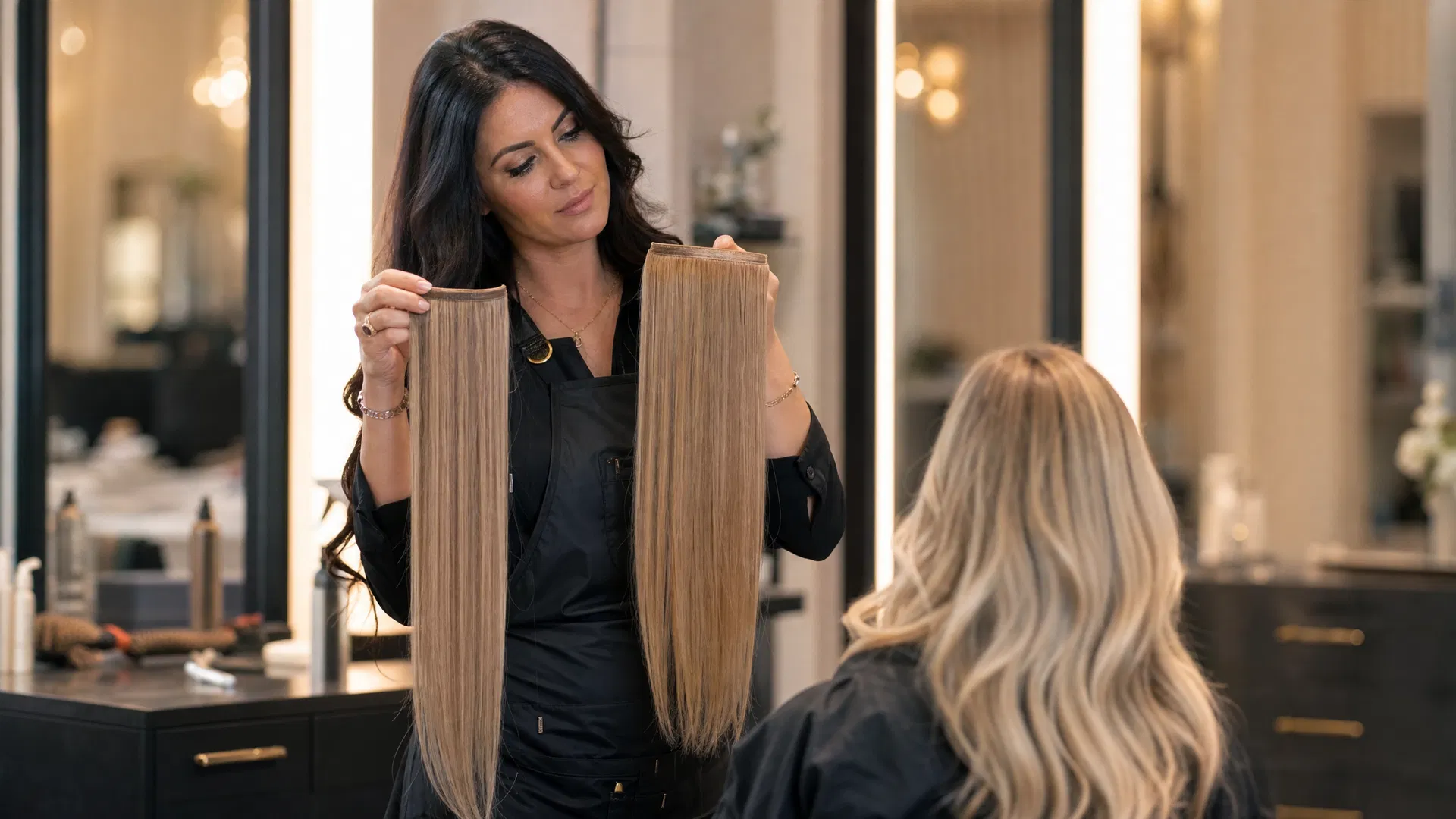
A trained specialist will assess your natural hair's strength and density before recommending a method, install the extensions with the correct tension for your hair type, provide a specific home care protocol tailored to your lifestyle, and track your maintenance schedule to ensure you stay on track. The relationship between a client and her extension stylist is a long-term one — the stylist who installs your first set is also the one who will maintain it through its entire service life.
If you are ready to explore which extension method is right for your hair and lifestyle, the first step is a consultation with a trained specialist. Zora Hair works exclusively with licensed professionals who are certified in professional extension methods. To find a certified Zora stylist near you, visit the Zora Hair stylist directory. To explore the hair used in professional weft and keratin bond installations, visit the Zora Wisp Weft collection and the Zora Keratin Bond collection.
Keywords
Professional Access
Questions about Zora Hair?
Contact hello@zorahair.com for current product information. Program details and purchasing terms will be announced.
Professional Inquiries